Glycolic Acid Exfoliating Toner 250ml
Regular price
€27,90
Sale price
Regular price
Unit price
€0,11per ml
Tax included.
Shipping calculated at checkout.
In stock
Vegan
Glutenvrij
Notenvrij
 Gratis verzending vanaf €50
 Levering 1 tot 3 werkdagen in België & Nederland
Veilig betalen
Key features
Key features
- 5% glycolic acid: loosens dead skin cells without scrubbing
- More even complexion: reduces the visibility of dead skin buildup and dull patches
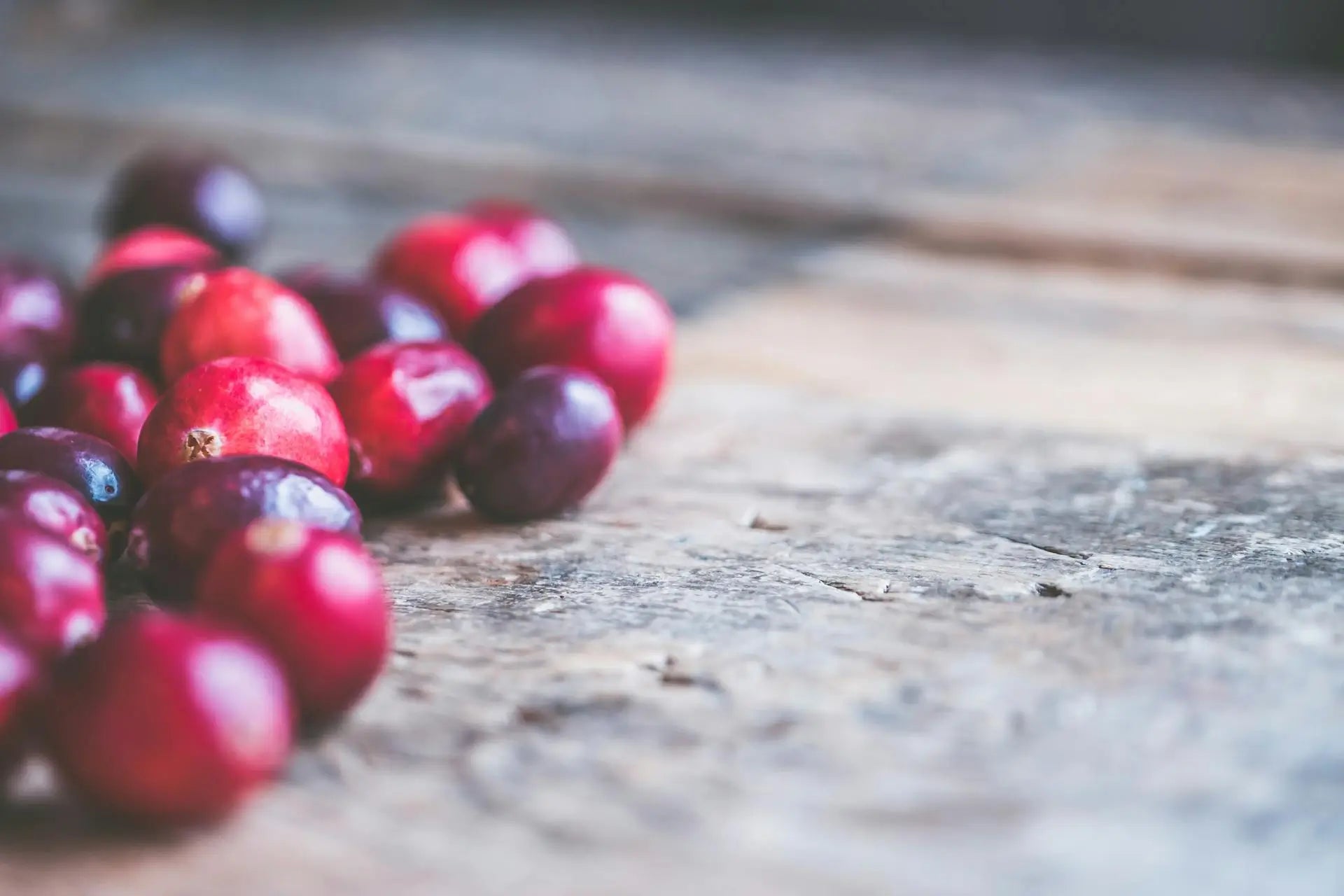
- Organic cranberry and lingonberry: antioxidants from the far north
- Glycerin, betaine and sodium PCA: bind moisture while the acid works
- Evening care: works in harmony with the skin’s natural recovery rhythm
Couldn't load pickup availability
Information
Information
Active Ingredients
Active Ingredients
Use
Use
Ingredients
Ingredients
Frequently asked questions
What exactly does glycolic acid do?
Glycolic acid is an AHA, a fruit acid, and the smallest molecule in the entire group. This allows it to penetrate deeper than, for example, lactic acid. It loosens the bond between dead skin cells and the living skin underneath, causing that buildup layer to shed naturally. Your skin becomes smoother, reflects light better, and therefore looks fresher. Exfoliating with acid is gentler than scrubbing with granules, as it does not mechanically damage the skin.
How often can I use this?
Start with two to three evenings a week and build up slowly. If your skin tolerates it well, you can move to every other evening or even daily. But in this case, more is not better. If your skin tingles for longer than a minute, feels tight, or becomes red, you are going too fast. Scale back and give your skin a week of rest.
Why do I need to use an SPF?
Because glycolic acid removes the top layer of dead skin cells, and that layer is exactly what captures some of the UV radiation. Your skin is therefore more sensitive to the sun after use. Without a daily SPF, you are more likely to develop pigment spots, which is exactly what you are trying to reduce with this product. Use a daily SPF 30 or higher, even in winter, even in cloudy weather.
Can I combine this with retinol or salicylic acid?
Not on the same evening. Three active ingredients at once is too much for your skin barrier and will result in irritation rather than results. Alternate: glycolic acid on Monday and Thursday, retinol on Tuesday and Friday, for example. And use something soothing on the intervening evenings.
Why is there alcohol in it?
The alcohol is at the very end of the ingredient list, which means the concentration is low. It functions as a preservative and keeps the formula stable. For most skin types, this is not a problem. If you have a severely damaged skin barrier, this product is not your first choice anyway; you should focus on repair first.
It smells like roses, does it contain perfume?
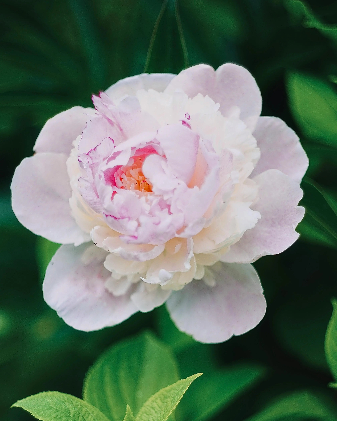
No. The ingredient list does not contain Parfum or Fragrance, nor any classic EU allergens. The soft floral note comes from the natural ingredients in the formula itself.
Is this suitable for sensitive skin?
That depends on how reactive your skin is. The formula is stripped back and contains no perfume or allergens, which works in its favor. However, 5% glycolic acid remains an active product. If you have sensitive skin, start with one evening a week and perform a patch test on the inside of your arm first. In cases of rosacea or a damaged skin barrier, it is better to avoid this product.
Does this product contain nuts or gluten?
No, the product is labeled nut-free and gluten-free, and is completely vegan.
When will I see results?
You will often notice smoother skin and a glow after just one or two weeks. For a visible reduction in pigment spots and a more even complexion, count on eight to twelve weeks of consistent use, along with daily SPF. Without that SPF, you are working against your own results.
How long does 250 ml last?
Used two to three evenings a week, a bottle will last five to six months. With daily use, about three months.

Is that a natural scent?
You sometimes see words like limonene, linalool, or geraniol on our list of ingredients, and you might be alarmed by them. There’s no need to be. These are not additives; they are scent molecules that occur naturally in citrus, lavender, and rose. They are listed separately because the EU requires that any substance to which the skin could potentially react must be visible, even if it comes from a plant. A list that hides them is not cleaner; it is simply less honest. Does your skin react to fragrance? If so, choose a product that does not list "Parfum" in the INCI; we have plenty of those."